Bridging basics
What is a bridging loan?
A short-term loan secured on property, usually for 1 to 24 months. Borrowers use it when speed matters or when a property cannot get a mortgage yet, for example an auction purchase or a refurbishment. It is repaid by selling the property or refinancing onto longer-term finance. That repayment plan is the exit.
What is the difference between regulated and unregulated bridging?
Bridging is regulated when it is secured on a home the borrower or a close family member lives in, or will live in. Regulated cases need an FCA-authorised adviser with the right permissions. Loans on investment, buy-to-let or commercial property are usually unregulated.
How much will lenders lend against a property?
Loan to value (LTV) is the loan divided by the property value. Most lenders cap residential bridging at 75% LTV. In August, 99 lenders on Broka offered up to 75% and only 5 offered 90%.
What is the difference between a gross and a net loan?
The gross loan includes interest and fees that are rolled up or retained. The net loan is what the borrower actually receives. Most lenders measure LTV against the gross figure, so check which one a quote uses.
Retained, rolled-up or serviced interest: which is which?
Retained interest is deducted from the loan up front for an agreed period. Rolled-up interest is added to the balance and paid at the end. Serviced interest is paid monthly by the borrower. Each one changes the net loan and the exit amount.
What makes an exit credible to a lender?
For a sale, a realistic value and timescale backed by comparables. For a refinance, evidence that the borrower will meet the term lender’s criteria when the bridge ends. Weak exits are one of the most common reasons cases stall.
First charge, second charge or equitable charge?
A first charge means the lender is repaid first if the property is sold. A second charge sits behind an existing mortgage, which needs the first lender’s consent. An equitable charge is used where a legal charge is not possible. In August, 17 lenders on Broka offered equitable charge products.
Development finance
What is the difference between LTGDV and LTC?
LTGDV is the loan as a share of the gross development value, the scheme’s value once complete. LTC is the loan as a share of total costs, including land and build. Lenders usually set a limit for both, and the lower one decides the loan.
How are development loans paid out?
The land or site element is usually advanced at the start. Build costs are released in stages, or drawdowns, after the lender’s monitoring surveyor confirms the work for each stage is done.
How long can a development loan run?
24 months is the most common maximum term among development lenders on Broka. Some go to 36 months or longer for larger schemes.
Speed and process
What is dual representation?
One firm of solicitors acts for both the lender and the borrower, which removes a round of correspondence and can shorten the legal stage. In August, 53 lenders on Broka offered dual representation on bridging.
What is an AVM or desktop valuation?
An automated or desktop valuation uses data instead of a site visit, so it can come back in hours rather than weeks. It suits straightforward residential cases. In August, 55 bridging lenders on Broka offered one.
Is a decision in principle an offer?
No. A DIP is still subject to valuation, underwriting, credit committee and legals, and the case can fall over at any of them. A credit-backed offer from a participating lender has the underwriting and valuation done first, so it is subject only to legals.
Using Broka
How do I find lenders for a case?
Enter the case details lenders screen on: loan amount, security, LTV or LTGDV, term, charge and borrower. Broka shows the lenders whose criteria fit, with rates, fees and any credit-backed option.
Can I apply to a lender through Broka?
Yes. Create the case once and send it direct to the lender’s BDM. Replies and case status stay in one place.
Do I need an account to use Broka Learn?
No. The guides, videos and case of the month on this page are open to everyone. Searching lenders and placing cases needs a Broka account, which is £50 a month.
 1:23
1:23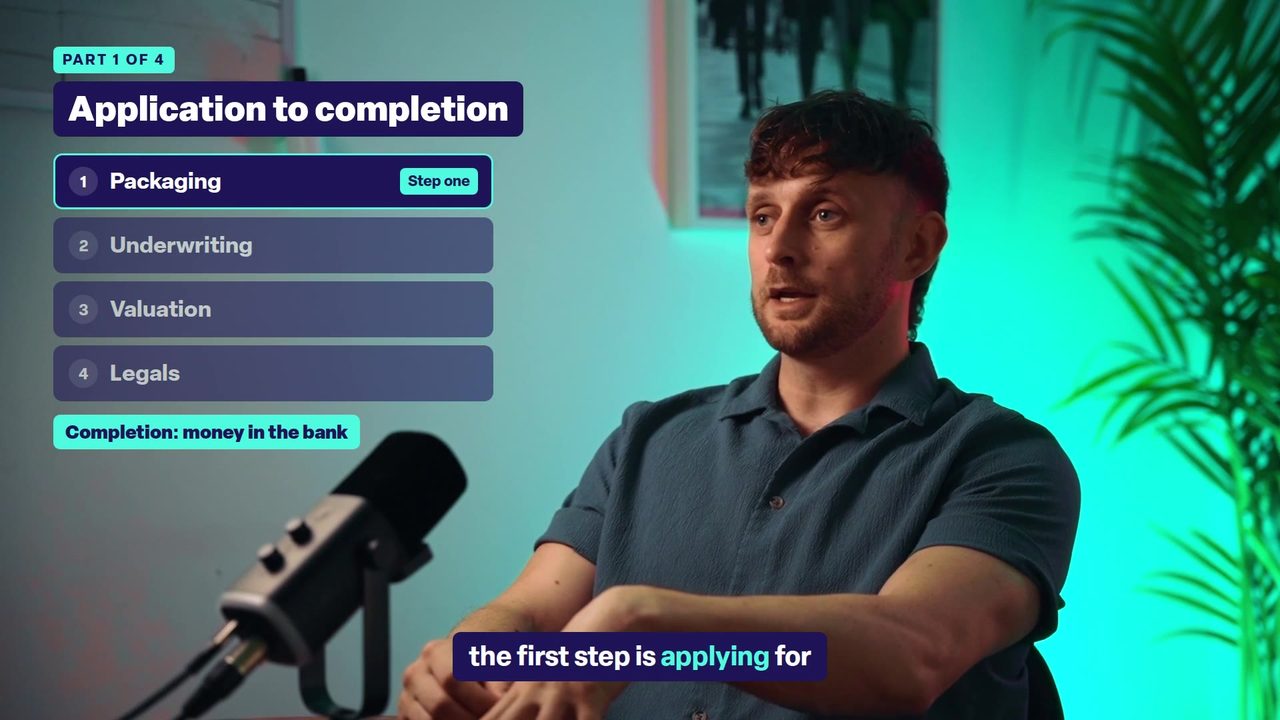 0:34
0:34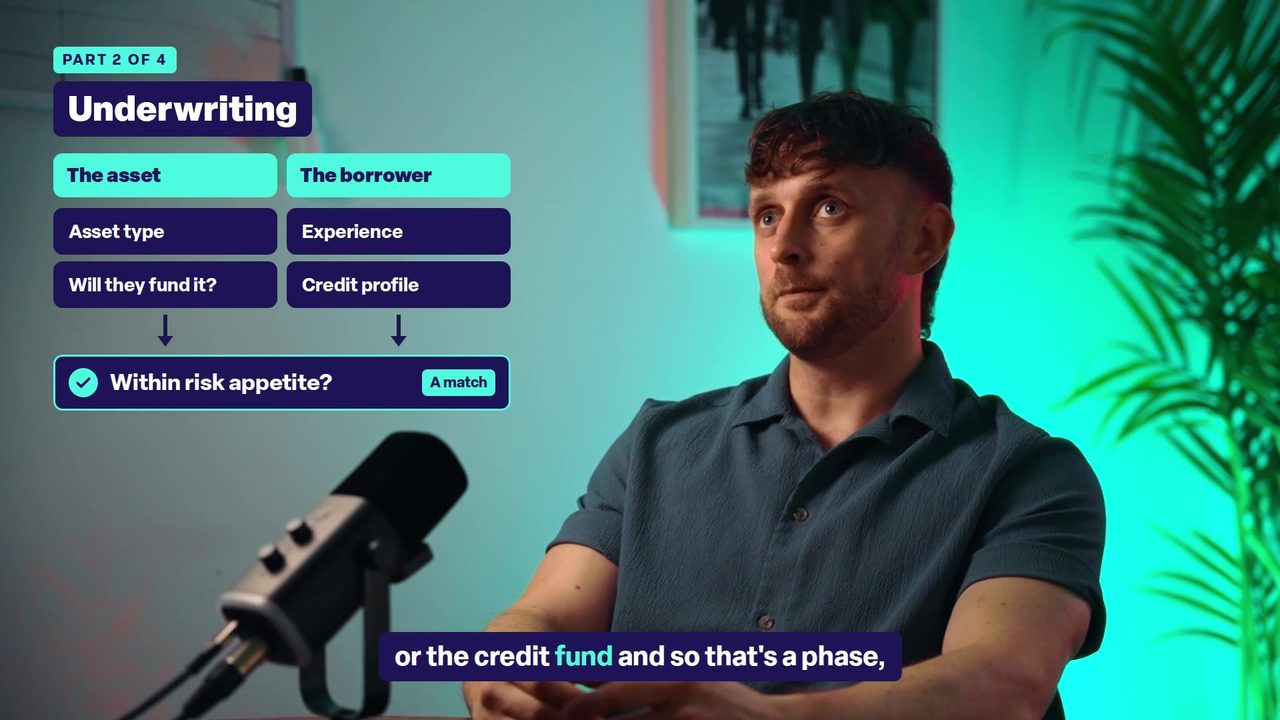 0:50
0:50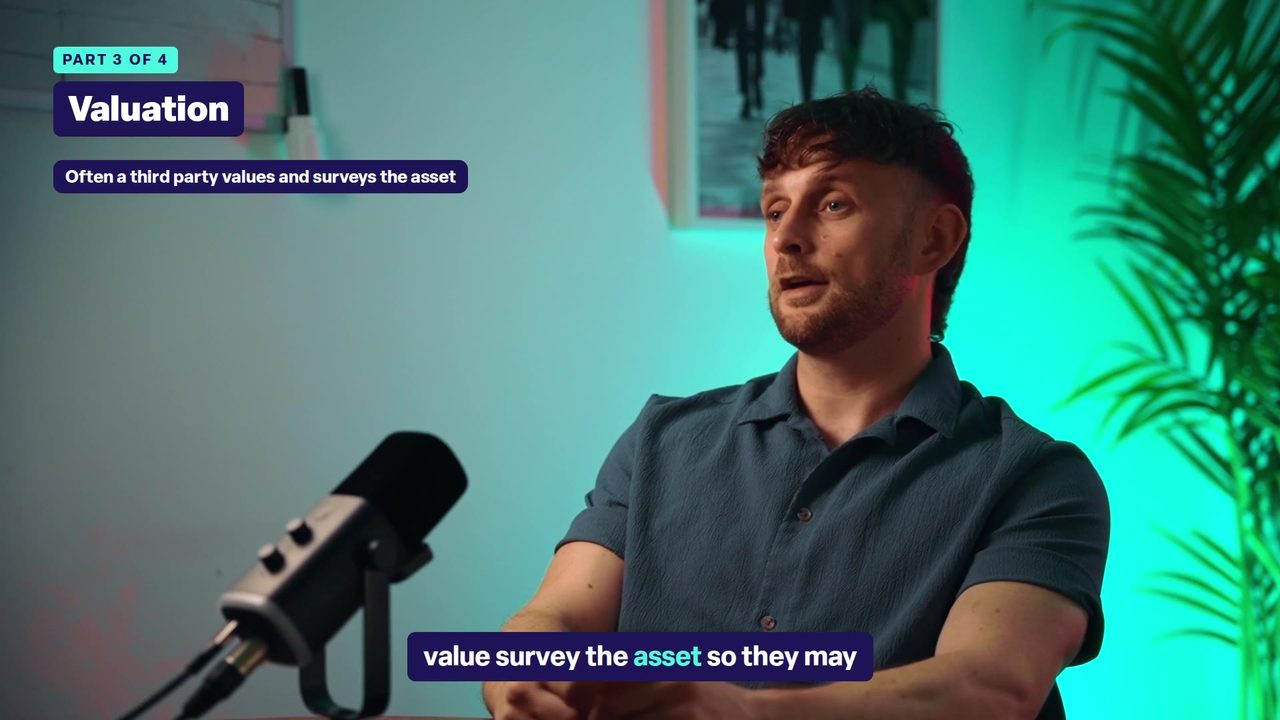 0:33
0:33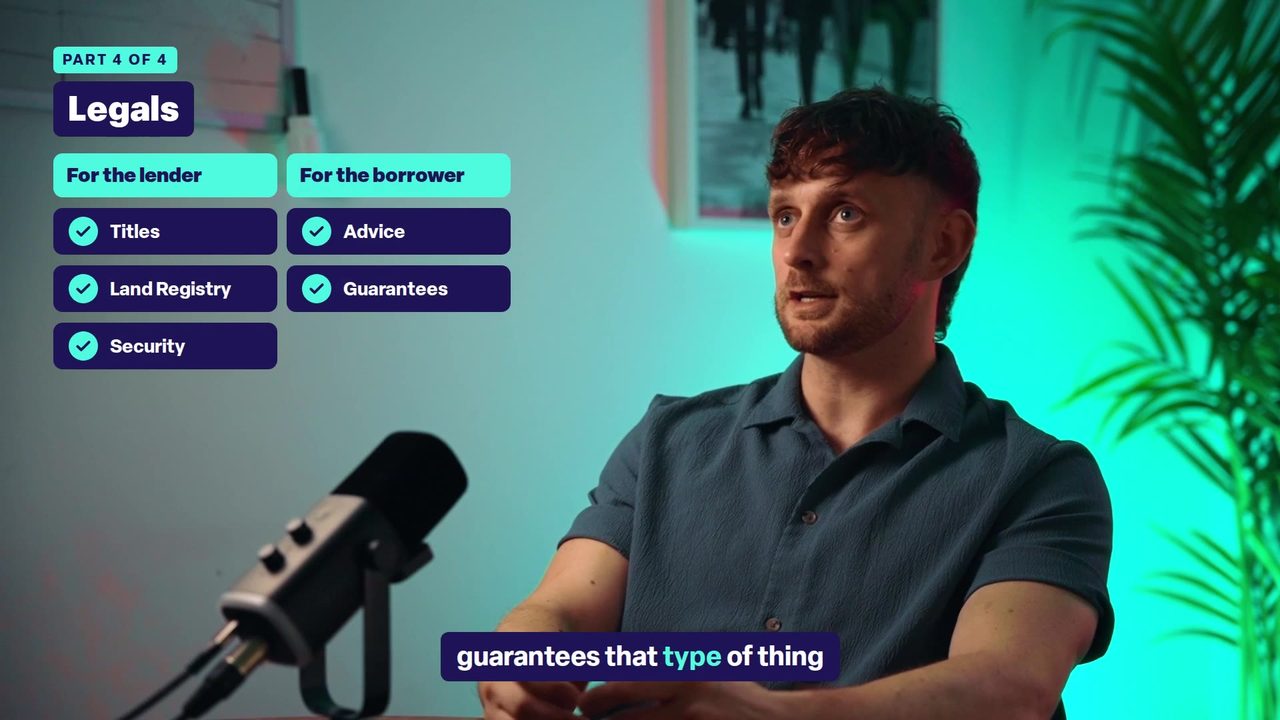 0:41
0:41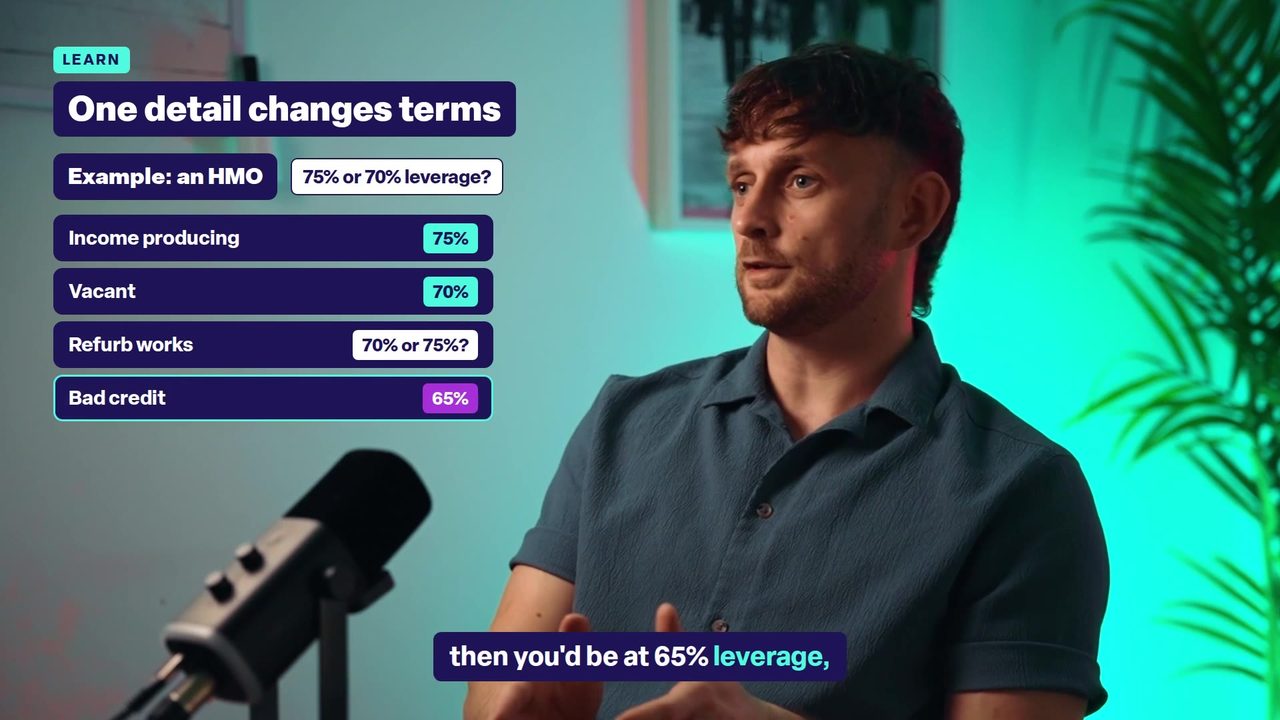 1:12
1:12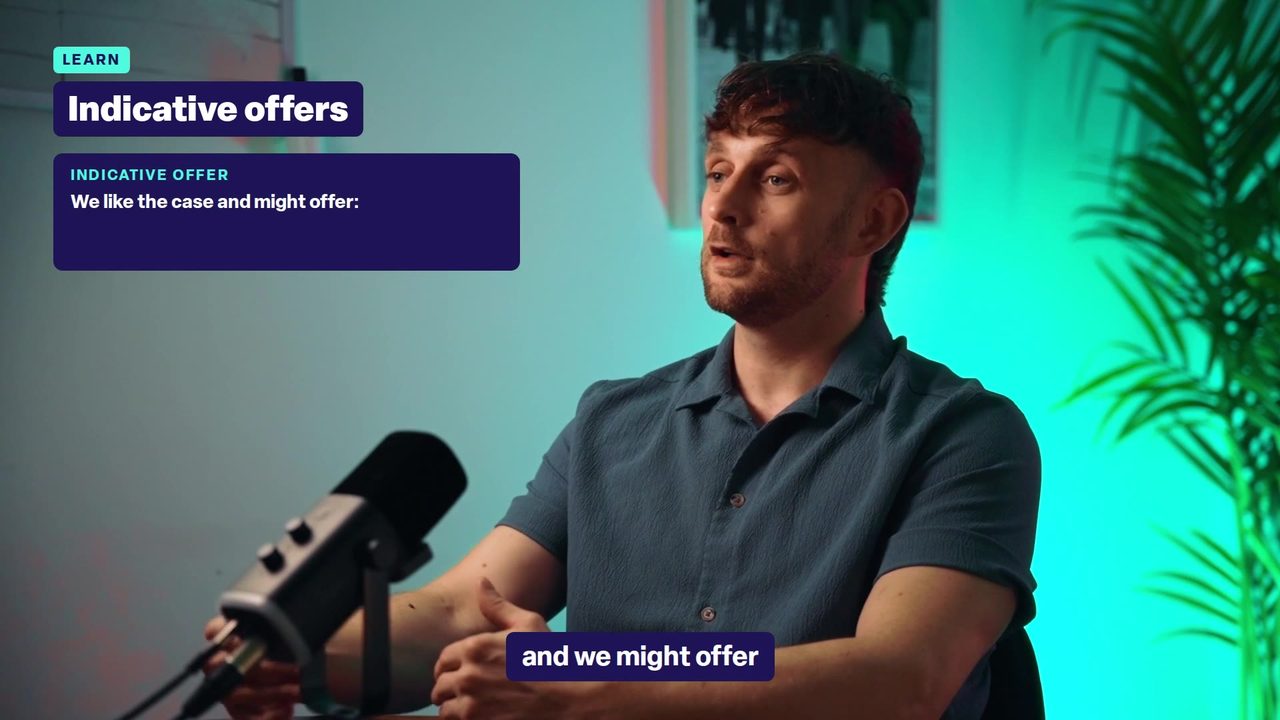 0:50
0:50 2:14
2:14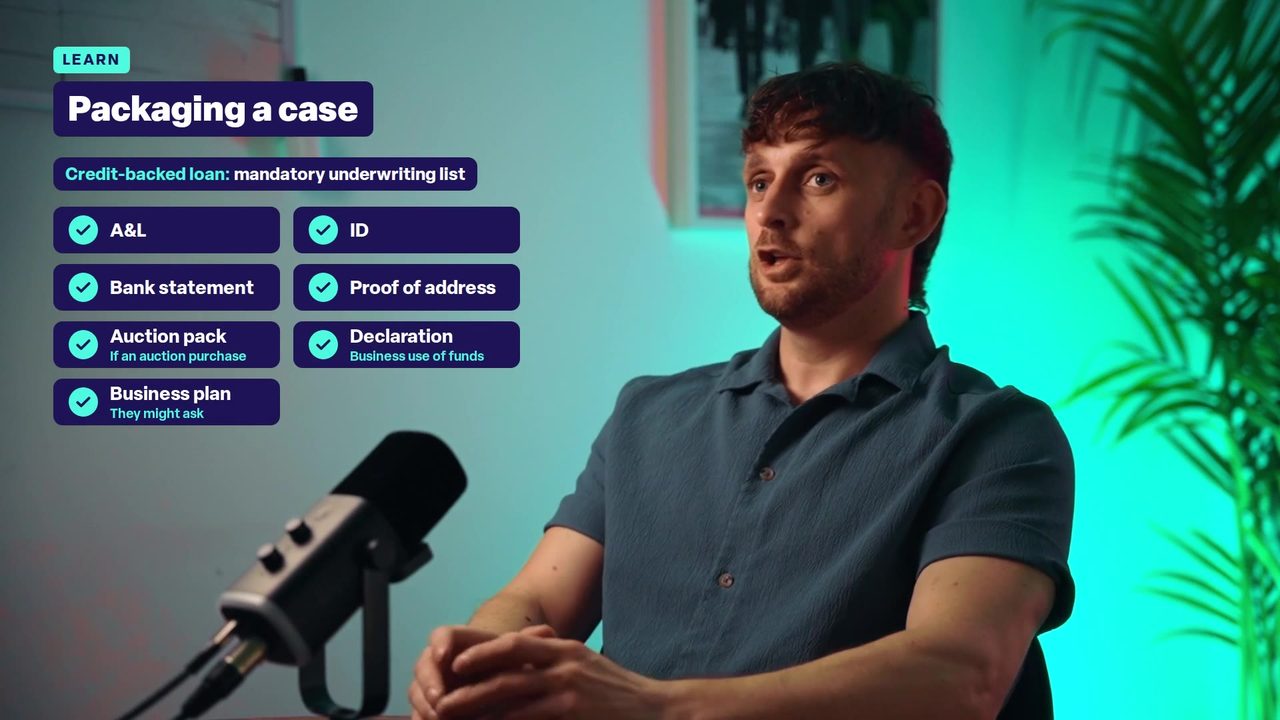 0:45
0:45 0:35
0:35 1:09
1:09 1:29
1:29